As the spiritual calendar turns, Muslims across California and worldwide eagerly anticipate the arrival of Ramadan 2026. This sacred month, a pillar of Islam, calls for deep reflection, intensified worship, and communal solidarity. For many, the question, "Is it Ramadan today?" is a frequent thought, signaling the earnest preparation for a period of profound devotion, fasting from dawn till dusk, and strengthening one's connection with the Divine.
California, a vibrant melting pot of cultures and faiths, embraces Ramadan with unique enthusiasm. From bustling metropolitan centers to serene suburban communities, mosques become hubs of activity, fostering a sense of unity and shared purpose. This comprehensive guide will equip you with essential information for California Ramadan 2026, covering everything from understanding Sehar and Iftar times to the significance of heartfelt duas, ensuring a spiritually enriching experience.
Navigating Ramadan 2026 in California: Understanding Sehar & Iftar Times
The rhythm of Ramadan is defined by two crucial moments each day: Sehar (or Suhoor) and Iftar. These aren't merely meal times; they are integral components of the spiritual journey, marking the beginning and end of each day's fast.
The Sacred Rhythm: What are Sehar and Iftar?
- Sehar (Suhoor): This pre-dawn meal is taken before the first light of dawn (Fajr prayer) and the commencement of the fast. It's a blessed time, not just for physical nourishment to sustain the day's fasting, but also for quiet contemplation, offering prayers, and seeking blessings. The Prophet Muhammad (peace be upon him) encouraged taking Sehar, emphasizing the blessings within it.
- Iftar: The breaking of the fast at sunset (Maghrib prayer) is a joyous occasion. It's a moment of gratitude and relief, often shared with family, friends, and community members. Traditionally, the fast is broken with dates and water, following the Sunnah (tradition) of the Prophet, before partaking in a more substantial meal.
Why Times Vary: The Science Behind the Calendar
Unlike fixed calendar dates, the specific timings for Sehar and Iftar shift daily and vary significantly across different geographical locations. In a large state like California, these differences can be substantial:
- Astronomical Calculations: Sehar begins before Fajr (dawn), and Iftar commences at Maghrib (sunset). These prayer times are calculated based on the position of the sun relative to the horizon, which changes daily and depends on latitude and longitude.
- Geographical Variations within California: A Muslim in San Diego will have different Sehar and Iftar times than someone in Sacramento or Eureka. Coastal cities might experience slightly delayed sunsets compared to inland areas. Even within the same city, minor variations can occur depending on the specific method of calculation used by local mosques or Islamic centers.
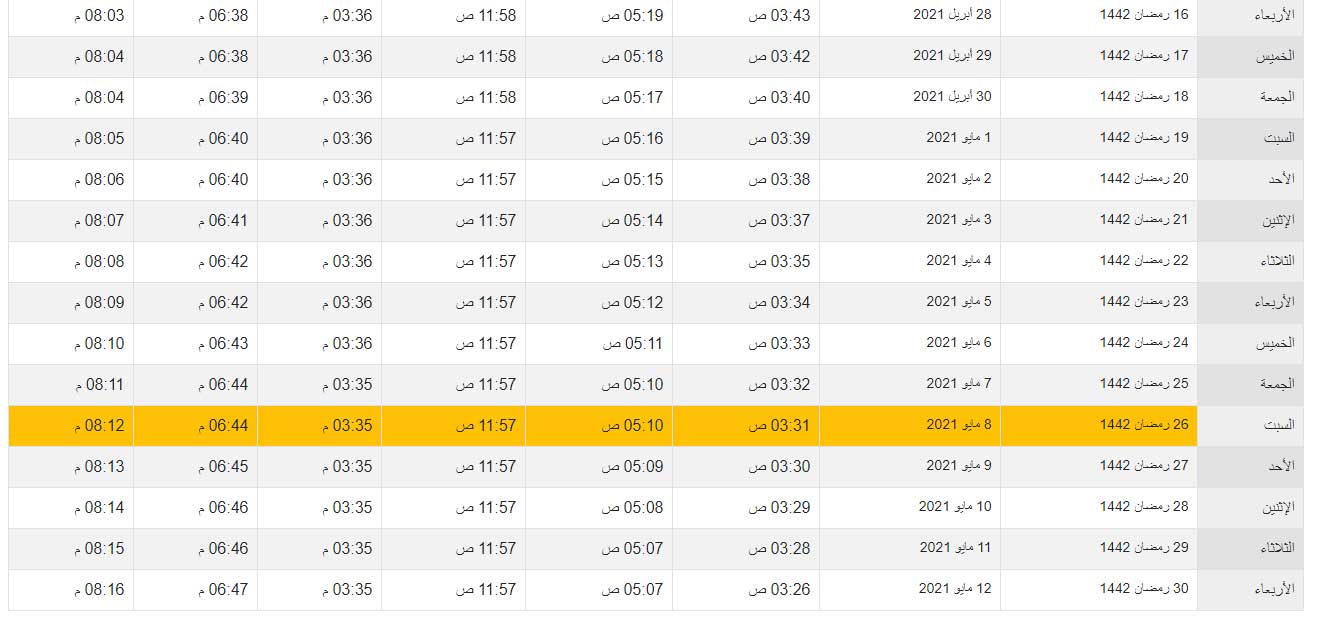
- Importance of Local Calendars: To ensure accuracy, it is paramount to consult a reliable Ramadan calendar specific to your exact location in California. Resources like IslamicFinder and local mosque websites provide precise timings, often updated daily. For comprehensive planning, you might also find Beyond Today: Essential Ramadan Information & 2026 Calendar to be a valuable resource.
Preparing for the Day: Sehar Meal Tips
The Sehar meal is your fuel for the day, so make it count:
- Hydration is Key: Drink plenty of water, milk, or herbal teas to prevent dehydration during the fasting hours.
- Nutrient-Rich Foods: Focus on complex carbohydrates (oats, whole-wheat bread, brown rice) for sustained energy, protein (eggs, yogurt, lentils) for satiety, and healthy fats (avocado, nuts).
- Avoid Processed Foods: Sugary cereals and highly processed foods can lead to energy crashes later in the day.
- Wake Up Early: Give yourself ample time to eat calmly, offer a few extra prayers, and prepare spiritually for the day ahead.
Breaking the Fast: Iftar Traditions and Healthy Choices
Iftar is a time for celebration and gratitude:
- Dates and Water: Break your fast with dates, as per the Sunnah. Dates provide a quick energy boost and are easy on the stomach.
- Start Light: Avoid overeating immediately. Begin with soup, salad, and light appetizers before moving to the main course.
- Balanced Meal: Ensure your Iftar meal is balanced, containing proteins, carbohydrates, and vegetables. Don't forget to rehydrate!
- Community Spirit: Iftar is often a communal affair. Sharing meals with family, friends, and neighbors strengthens bonds and fosters a sense of belonging. If you're looking for inspiration for your Ramadan meals, consider checking out Planning for Ramadan: Recipes, Prayers & Calendar Details.
The Power of Prayer: Essential Duas for Ramadan
Ramadan is the month of prayers, supplication (dua), and remembrance of Allah. Every moment, especially during fasting, is ripe for seeking forgiveness, blessings, and guidance.
Duas at Sehar and Iftar: Connecting with the Divine
The times of Sehar and Iftar are particularly potent for duas. These are moments when the fast is either commencing or concluding, making the worshipper particularly mindful of their devotion.
- Dua Before Fasting (Sehar): While there isn't one specific universal dua prescribed for the intention of fasting, a common one expresses the intention: "Wa bisawmi ghadin nawaytu min shahri Ramadan" (I intend to fast tomorrow for the month of Ramadan). More importantly, the sincere intention in one's heart suffices.
- Dua at Breaking Fast (Iftar): Upon breaking the fast, it is highly recommended to recite: "Dhahaba al-zama'u wa ibtallat al-'uruqu wa thabata al-ajru in sha' Allah" (Thirst has gone, the veins are wet, and the reward is confirmed, if Allah wills). This beautiful supplication acknowledges the completion of the day's worship and expresses hope for divine acceptance.
Beyond Meals: General Duas Throughout the Day
While specific duas mark Sehar and Iftar, Ramadan encourages a continuous state of remembrance and supplication throughout the day. The fasting person's dua is believed to be readily accepted.
- Seeking Forgiveness (Istighfar): "Astaghfirullah" (I seek forgiveness from Allah) should be a frequent utterance. Ramadan is a prime time to cleanse oneself of sins.
- Asking for Mercy and Paradise: "Allahumma innaka 'afuwwun tuhibbul 'afwa fa'fu 'anni" (O Allah, You are the Forgiver, You love to forgive, so forgive me) is particularly significant during the last ten nights, especially Laylat al-Qadr.
- Duas for Guidance and Strength: Ask for steadfastness in faith, wisdom, and the strength to overcome challenges. Pray for your family, friends, and the wider Muslim community.
- Gratitude (Shukr): Expressing thanks to Allah for His countless blessings, especially the opportunity to experience Ramadan, is a powerful form of worship.
Engaging in these duas not only brings one closer to Allah but also instills patience, humility, and a deeper sense of purpose throughout the holy month.
Embracing Ramadan in California: Community & Spiritual Growth
Ramadan is a time for individual introspection, but it also profoundly emphasizes community and collective spiritual upliftment. California's diverse Muslim population makes for a particularly vibrant Ramadan experience.
Finding Your Community: Mosques and Centers
California boasts a large and active Muslim community, with numerous mosques and Islamic centers spread across the state. These institutions become the heart of Ramadan activities:
- Congregational Prayers: Attending Tarawih prayers (special night prayers) after Iftar is a cherished tradition, offering a unique spiritual atmosphere.
- Community Iftars: Many mosques host free community Iftars, providing an opportunity for Muslims from all walks of life to break their fast together, share meals, and strengthen brotherhood and sisterhood.
- Lectures and Workshops: Throughout Ramadan, centers often organize educational programs, Quran recitation circles, and spiritual talks to deepen understanding of Islam and the significance of the month.
- Charity Drives: Mosques also serve as centers for collecting and distributing Zakat (obligatory charity) and Sadaqah (voluntary charity), ensuring that the less fortunate can also partake in the blessings of Ramadan.
Spiritual Reflection and Personal Growth
Beyond fasting and prayers, Ramadan is an ideal time for personal transformation:
- Quran Recitation and Study: Dedicate time daily to reading, understanding, and reflecting upon the Holy Quran. Many aim to complete at least one full recitation during the month.
- Self-Discipline and Patience: Fasting teaches self-control over desires and instills patience, a virtue that extends beyond food and drink to all aspects of life.
- Gratitude and Empathy: Experiencing hunger and thirst fosters empathy for the less fortunate and cultivates a deeper sense of gratitude for Allah's provisions.
- Charity and Good Deeds: Intensify acts of kindness, help those in need, and engage in more charitable endeavors. Giving generously during Ramadan multiplies blessings.
The Anticipation: When Will Ramadan 2026 Begin?
The exact start date of Ramadan is determined by the sighting of the new crescent moon. In Islam, a new month begins with the verifiable sighting of the crescent moon (hilal) after the astronomical new moon. While astronomical calculations provide a strong estimation, the final declaration traditionally comes from religious authorities after a confirmed sighting.
So, while many are already asking, "Is it Ramadan today?" in eager anticipation of 2026, the precise day will be confirmed closer to the time. It is generally expected to begin around February 17th or 18th, 2026, depending on moon sighting and geographical location. This traditional method ensures that the entire community starts and ends the fast together, unifying Muslims globally.
Conclusion
Ramadan 2026 in California promises to be a month filled with spiritual renewal, community bonding, and personal growth. Whether you're a seasoned fasting individual or observing Ramadan for the first time, understanding the nuances of Sehar and Iftar times, engaging in heartfelt duas, and actively participating in community activities are key to a fulfilling experience. As the Muslim community across the Golden State prepares to embrace this sacred period, the spirit of devotion, charity, and unity will undoubtedly shine brightly. May your Ramadan be blessed and spiritually uplifting.